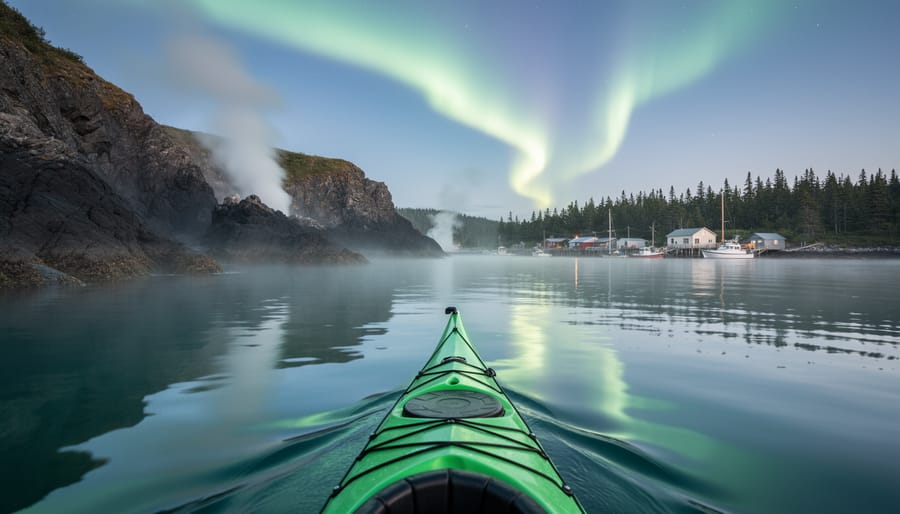
Canada stretches across nearly 10 million square kilometers, hiding glacier-fed hot springs in British Columbia, cobblestone art districts in Quebec, and tidal phenomena so extreme in the Maritimes they reveal the ocean floor twice daily. The best Canadian vacation destinations balance natural drama with vibrant cultural scenes: think kayaking alongside orcas before hitting a craft distillery, or hiking boreal forests that open onto Indigenous-led storytelling circles under the northern lights.
This guide features 12 destinations that go beyond the postcard clichés. You’ll find coastal villages where local artists open their studios to visitors, mountain towns with world-class trails and farm-to-table restaurants, and cities where historic neighborhoods pulse with live music and weekend markets. Each spot offers something you can’t replicate elsewhere, whether that’s the chance to watch polar bears wander past your lodge window or soak in geothermal pools carved into cliffsides.
The destinations span every season and budget. Some require flights into remote territories, others sit just off major highways. What they share is a sense of place rooted in the people who live there: the chefs foraging ingredients from nearby forests, the guides who grew up on these waters, the makers turning regional clay and wool into gallery-worthy work. Pack accordingly, because Canadian weather swings wildly, but the experiences waiting for you are worth every layer.
How We Chose These Canadian Vacation Destinations
We curated these destinations with adventurous travelers in mind, people who want to dig deeper than the typical tourist circuit. Each location earned its place by offering authentic experiences that connect you to the heart of Canada’s diverse communities and landscapes.
Our selection criteria focused on:
- Vibrant local art scenes and Indigenous cultural experiences
- Wellness opportunities from coastal retreats to northern wilderness
- Genuine community connections beyond commercialized attractions
- Accessible yet distinctive character that rewards curious exploration
- Support for local artists, makers, and cultural practitioners
These aren’t just great Canadian vacation destinations, they’re places where you’ll find yourself inspired by local creativity, welcomed into tight-knit communities, and transformed by landscapes that challenge conventional travel expectations. We’ve prioritized locations where your visit directly supports regional culture and where the experiences feel personal rather than packaged.
1. Haida Gwaii, British Columbia, Island Art and Indigenous Culture
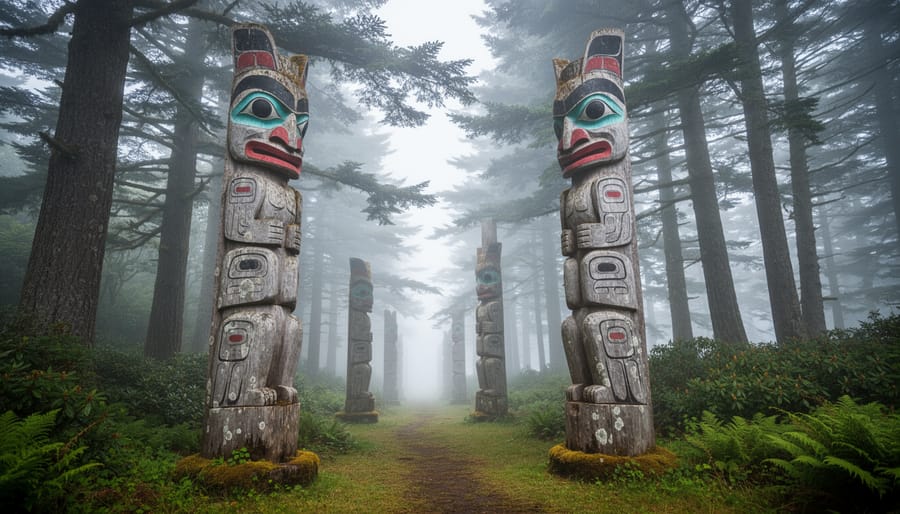
Off the western coast of British Columbia, Haida Gwaii rises from the Pacific like a world apart. This remote archipelago, once called the Queen Charlotte Islands, is the ancestral homeland of the Haida Nation, and every corner of these islands pulses with living Indigenous culture. You’ll find towering totem poles carved by contemporary Haida artists standing alongside centuries-old mortuary poles in SGang Gwaay, a UNESCO World Heritage Site accessible only by boat and guided tour.
The islands’ rainforests are ancient and otherworldly. Moss-draped Sitka spruce and western red cedar create cathedral-like groves where black bears forage and bald eagles nest. Between May and September, you can kayak alongside migrating gray whales or hike coastal trails that reveal hidden coves and tidal pools teeming with life.
But it’s the art scene that truly sets Haida Gwaii apart as a great Canadian vacation destination. Visit studios in Skidegate and Old Massett where master carvers work on argillite sculptures, weavers create intricate cedar bark regalia, and jewelers craft silver and gold pieces using traditional formline design. The Haida Heritage Centre at Kay Llnagaay offers immersive exhibits, live demonstrations, and performances that connect you directly to a culture that has thrived here for over 13,000 years. This isn’t observation, it’s invitation.
2. Churchill, Manitoba, Polar Adventures and Northern Lights
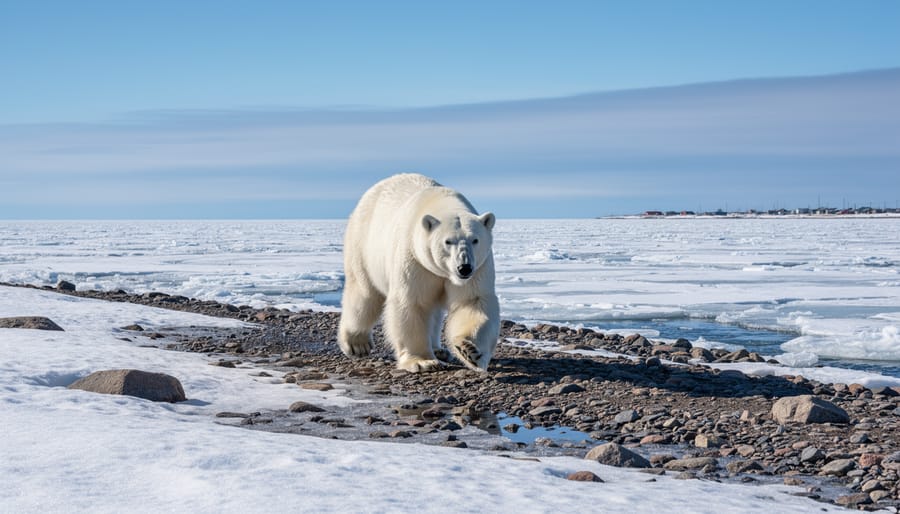
Churchill sits on the western shore of Hudson Bay, accessible only by plane or train, and that remoteness is exactly what makes it extraordinary. From October through early November, polar bears gather near town waiting for the bay to freeze, creating one of the planet’s most thrilling wildlife spectacles. You’ll board specialized tundra vehicles to watch these massive predators up close as they wrestle, rest, and scan the horizon for ice.
Come summer, thousands of beluga whales migrate into the Churchill River estuary. You can kayak, snorkel, or take boat tours among these curious, vocal creatures in the surprisingly accessible shallow waters, an intimate marine encounter you won’t find anywhere else in Canada.
Then there are the northern lights. Churchill lies directly beneath the auroral oval, meaning you have an 80% chance of seeing the aurora borealis on any clear winter night. The brilliant green curtains dance across the sky from January through March, often joined by streaks of pink and purple.
Beyond wildlife, Churchill connects you with northern Indigenous communities, particularly Cree and Inuit cultures. Visit the Itsanitaq Museum to see centuries-old Inuit carvings, join guided cultural walks, and taste traditional foods like bannock and Arctic char. The town’s isolation fosters a tight-knit community that welcomes visitors willing to venture this far north for an authentic wilderness experience.
3. Fogo Island, Newfoundland, Artist Residencies and Coastal Charm
Off the northeast coast of Newfoundland, Fogo Island rises from the Atlantic like a granite sculpture carved by centuries of wind and waves. This remote island has transformed into one of Canada’s most compelling cultural destinations, where contemporary art meets centuries-old fishing traditions in ways that feel both unexpected and deeply authentic.
The Fogo Island Arts residency program draws international artists, writers, and thinkers to purpose-built studios perched on dramatic coastal headlands. These angular structures, designed by local architect Todd Saunders, seem to hover above the rocky shore, offering residents uninterrupted ocean views and the kind of solitude that breeds creative breakthroughs. You can visit these studios during open houses, where conversations with working artists reveal how the island’s stark beauty and tight-knit community shape their practice.
Stay at the iconic Fogo Island Inn, a social enterprise that channels profits back into the community. Every detail reflects local craftsmanship: handmade quilts, furniture built by island woodworkers, and views that stretch to icebergs drifting past in spring. The inn arranges community connections, cod jigging with fishermen, tea with a quilter, berry picking with locals who know every cove by name.
Walk the coastal trails alone or join a boat tour to spot whales and puffins. The experience here isn’t polished or hurried. It’s raw, genuine, and profoundly restorative for travelers craving something real.
4. Tofino, British Columbia, Surf, Wellness, and Rainforest Retreats
Tofino sits at the edge of Vancouver Island’s wild western shore, where the Pacific crashes into ancient rainforest and a thriving surf culture meets genuine wellness traditions. This is one of those great Canadian vacation destinations that delivers both adrenaline and deep relaxation, often in the same day.
The surf scene here is legendary. Long Beach and Cox Bay draw wave-riders year-round, with local surf schools offering lessons for beginners and rentals for experienced boarders. The water stays cold, but the wetsuit-clad energy is warm and welcoming. Between sessions, you can walk the coastal trails through Clayoquot Sound’s temperate rainforest, where centuries-old cedars and Sitka spruces tower overhead and the forest floor glows green with moss.
Tofino’s Indigenous roots run deep. The Tla-o-qui-aht and other Nuu-chah-nulth Nations have stewarded this coast for thousands of years, and their art and storytelling shape the town’s character. Visit local galleries showcasing contemporary Indigenous artists, or join a guided tour that weaves traditional knowledge into the landscape.
After a day outdoors, the town’s spas and lodges offer treatments inspired by the rainforest and ocean. Hot tubs overlook storm-watching beaches, and many accommodations lean into the laid-back vibe without sacrificing comfort. Tofino proves that adventure and rest are not opposites.
5. Prince Edward County, Ontario, Wineries, Galleries, and Beach Towns
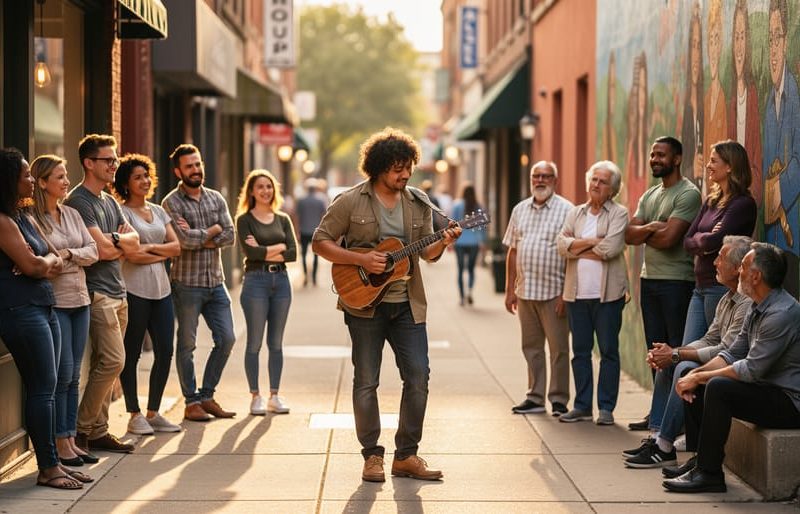
Prince Edward County has transformed from quiet farming region into one of Ontario’s most dynamic vacation destinations, drawing travelers who crave authentic experiences over manufactured attractions. Just two hours east of Toronto, “The County” delivers an unexpected mix of award-winning wineries, working farms, and a creative scene that rivals far larger cities.
The region’s microclimate produces exceptional wines, particularly Chardonnay and Pinot Noir, with over forty wineries dotting the rolling countryside. Many operate tasting rooms in converted barns where winemakers personally pour samples and share their craft. Between vineyard visits, you’ll find artist studios tucked into heritage buildings, potter’s wheels spinning in open workshops, and galleries showcasing everything from Indigenous art to contemporary installations.
The beaches surprised me most on my first visit, kilometres of soft sand backed by dunes along Lake Ontario’s shore, entirely unlike the rocky shorelines most people expect. Sandbanks Provincial Park features some of the world’s largest freshwater dunes, while quieter stretches like North Beach offer swimming without crowds.
Farm-to-table restaurants source ingredients from neighbouring properties, with menus that change based on what’s ripe that week. The farmers’ markets bring together cheesemakers, bakers, and vegetable growers who actually work the land themselves, not vendors reselling imported produce. This genuine connection between food, art, and landscape makes Prince Edward County feel refreshingly real.
6. Lunenburg, Nova Scotia, Maritime Heritage and Colourful Streets
Lunenburg feels like stepping onto a postcard frozen in time. This maritime town on Nova Scotia’s South Shore earned UNESCO World Heritage status for its remarkably intact British colonial architecture, rows of wooden buildings painted in bright reds, blues, yellows, and greens line the steep streets that climb from the harbour. The town was planned in 1753, and that original grid layout remains, making it one of North America’s best surviving examples of planned colonial settlement.
The waterfront hums with working boatyards where traditional wooden boats are still built using centuries-old techniques. You can tour the Fisheries Museum of the Atlantic to understand the cod fishery that shaped these communities, or watch shipwrights restore sailing vessels at the docks. The famous schooner Bluenose II calls Lunenburg home, if you’re lucky, you’ll catch her sailing into the harbour, her blue hull unmistakable against the water.
Wander up the hill and you’ll find artisan shops tucked into historic homes: potters, jewelers, textile artists, and glassblowers working in studios you can visit. Local galleries showcase maritime-inspired paintings and photography. The Saturday farmers market brings together bakers, cheese makers, and craft vendors.
Photographers will lose hours capturing the colourful facades against blue skies, fishing boats reflected in calm harbour water, and narrow streets framed by historic churches. It’s a Canadian vacation destination that rewards slow exploration and genuine curiosity about maritime life.
7. Yukon Territory, Wild Landscapes and Gold Rush History
The Yukon Territory isn’t for travelers who like their vacations predictable. This sprawling wilderness stretches across Canada’s northwest corner, where the summer sun barely sets and winter darkness feels infinite. If you’re drawn to raw landscapes and stories of determination, this is one of the great Canadian vacation destinations that rewards your adventurous spirit.
The Klondike Gold Rush shaped the Yukon’s character in the 1890s, and you’ll still find traces of that era in Dawson City’s wooden boardwalks and heritage saloons. But the First Nations presence runs far deeper, Tr’ondëk Hwëch’in, Vuntut Gwitchin, and other Indigenous communities have called this land home for thousands of years. Visit cultural centers to hear stories passed down through generations, or join guided experiences that connect you to traditional practices.
Outdoor adventures here feel limitless. Paddle the Yukon River’s historic waterways, hike alpine trails in Tombstone Territorial Park where jagged peaks rise from tundra, or canoe through quiet lakes surrounded by wilderness. Between late May and July, the midnight sun keeps the sky glowing past bedtime, perfect for extended explorations. Come winter, the northern lights dance overhead in shades of green and violet.
The Yukon asks you to slow down, pay attention, and embrace the wild. It’s a destination that stays with you.
8. Charlevoix, Quebec, Art Villages and River Views
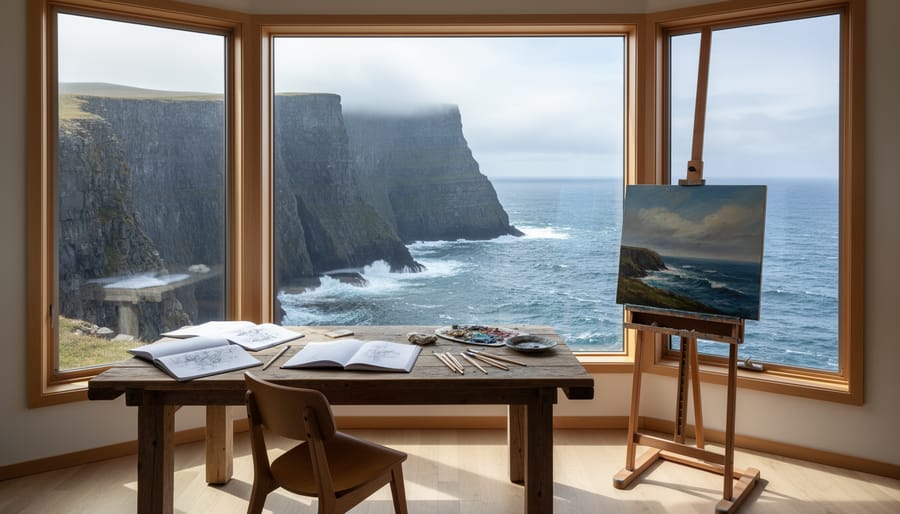
Charlevoix unfolds along the St. Lawrence River like a living canvas, its rolling hills dotted with art galleries, craft studios, and heritage stone buildings that speak to generations of québécois tradition. This region has drawn painters since the Group of Seven discovered its dramatic landscapes, and today’s vibrant art scene continues that legacy with contemporary galleries in villages like Baie-Saint-Paul and workshops where you can watch glassblowers and potters at work.
The francophone culture here runs deep. You’ll hear French spoken in family-run auberges, sample tourtière and local cheeses at farmers’ markets, and discover how the region’s creative spirit connects to its agricultural roots. Many studios welcome visitors for demonstrations, letting you meet artists who draw inspiration from the same river valleys and mountain backdrops that made this one of Canada’s great vacation destinations for creatives.
Drive the winding Route 362 for breathtaking river views, then stop in Saint-Irénée to explore its concert hall or La Malbaie for its historic manors turned boutique inns. Autumn brings fiery foliage reflected in the river, while summer means outdoor concerts and art festivals. Every village offers something distinct, ceramics in one, paintings in another, cheese caves and cideries throughout. It’s a region that rewards slow travel and genuine curiosity about local makers.
9. Drumheller, Alberta, Badlands and Dinosaur Fossils
Drumheller sits in a valley carved by the Red Deer River, where erosion has exposed layers of ancient rock and created a landscape that feels like another planet. The Royal Tyrrell Museum anchors this region with one of the world’s largest displays of dinosaur skeletons, including specimens found within a short drive of the building itself. You can walk trails where paleontologists still uncover fossils, and several tour operators offer guided badlands hikes that explain the geology behind these formations.
The hoodoos are the visual signature here: tall pillars of sedimentary rock topped with harder capstones, standing like sculptures across the valley floor. You can reach several formations on easy trails, and the contrast between the brown and grey striations and the prairie sky makes for striking photography. The landscape shifts throughout the day as light changes the shadows and highlights different layers.
Beyond the museum and geology, Drumheller leans into its quirky side. The World’s Largest Dinosaur stands downtown, a five-storey T. rex you can climb for valley views. Drive the Dinosaur Trail loop to pass smaller museums, fossil beds, and the occasional roadside dinosaur statue. Local artists sell work inspired by the region’s prehistoric past, and several studios welcome visitors.
This destination suits travelers looking for something different from mountain or lake vacations, combining science, surreal scenery, and a bit of Prairie humor.
10. Salt Spring Island, British Columbia, Artisan Markets and Gulf Island Vibes
Salt Spring Island sits in the Salish Sea between Vancouver and Victoria, drawing creative souls who’ve traded city hustle for studio time and farmers’ market stands. This Gulf Island runs on a different clock, where potters throw clay overlooking Ganges Harbour, musicians busk at roadside fruit stands, and organic farms supply Saturday morning’s market on Centennial Park.
The weekly market is the island’s beating heart. Local cheese makers, jewellery artisans, woodworkers, and bakers set up under white tents, while buskers soundtrack your morning coffee. It’s where you’ll taste lavender shortbread, buy hand-thrown mugs still warm from the kiln, and chat with the farmer who grew your lunch. For seasonal timing tips spring through fall offers the fullest market experience, though winter brings cozy studio tours instead.
Beyond the market, Salt Spring rewards slow exploration. Book a yoga retreat at one of the waterfront centres, kayak to neighbouring islands, or follow the studio tour map to watch glassblowers and painters at work. The island hosts community events year-round, from harvest festivals to gallery hops.
The best time to go is May through October for markets and outdoor activities, but shoulder seasons mean fewer crowds and deeper connections with locals. Ferry bookings fill quickly in summer, so plan ahead and consider staying midweek. Bring reusable bags for market hauls and cash for artisan purchases.
11. Bay of Fundy, New Brunswick, Highest Tides and Coastal Trails
The Bay of Fundy holds the world’s highest tides, with water levels rising and falling up to 16 metres twice daily. This dramatic natural phenomenon creates an ever-changing coastal landscape that reveals ocean floors, sculpts sea caves, and invites exploration during low tide windows.
Walk the ocean floor at Hopewell Rocks, where towering flowerpot formations stand on pedestals carved by centuries of tidal movement. Time your visit right and you can kayak around these same rocks at high tide, experiencing the bay from two completely different perspectives in a single day. The Fundy Footpath offers 41 kilometres of rugged coastal hiking through dense forest and along cliff edges, while gentler trails at Cape Enrage and Fundy National Park suit family-friendly schedules.
Local maritime culture thrives in fishing villages like Alma and St. Martins, where you’ll find weathered sea captains, fresh seafood shacks, and artisans working with driftwood and sea glass. Whale watching tours run from June through October, with fin, minke, and humpback whales feeding in the nutrient-rich waters.
The tides wait for no one here. Check tide tables before every outing and respect the power of water that moves with such force.
12. Whitehorse, Yukon, Northern Arts and River Adventures
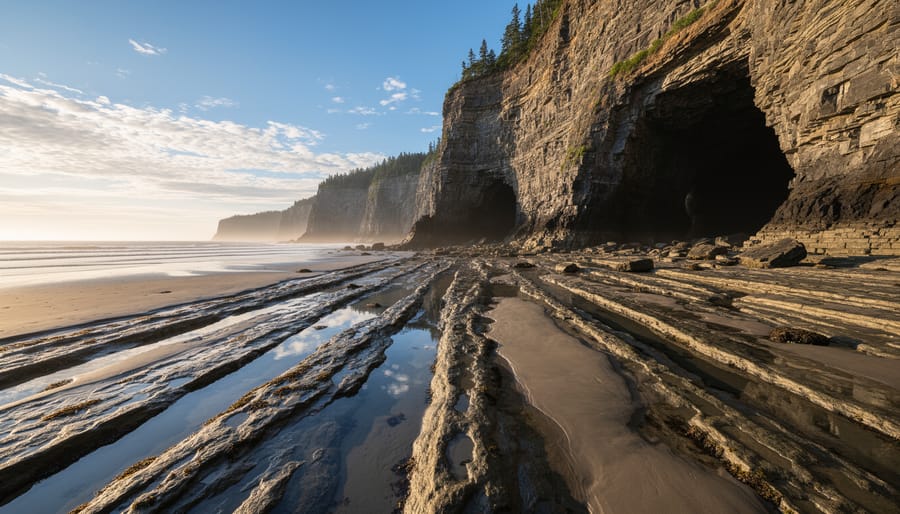
Whitehorse sits on the banks of the Yukon River, where the raw northern wilderness meets a surprisingly vibrant arts scene. This is one of Canada’s great vacation destinations for travelers who want cultural depth alongside outdoor adventure, all wrapped in the long summer daylight or the dancing winter auroras.
Start at the Kwanlin Dün Cultural Centre, where contemporary Indigenous art and storytelling bring Yukon First Nations heritage to life. The building itself is stunning, designed to echo traditional fish traps, and hosts rotating exhibitions alongside live performances. Wander the downtown core to find independent galleries showcasing northern artists working in everything from soapstone carving to mixed media installations inspired by the landscape.
The river runs right through the city. Rent a canoe or join a guided paddle down the same waterway that carried gold rush stampesters in 1898. Riverside trails wind along the banks, perfect for hiking or cycling, with mountain views that shift from green summer peaks to snow-dusted ridges by September.
Use Whitehorse as your base to explore further: day trips to hot springs, wildlife viewing, or drives along the Alaska Highway reveal why this corner of Canada rewards the curious. The city balances frontier grit with creative energy, offering cafes, breweries, and live music venues where locals gather and visitors feel genuinely welcome.
Planning Your Great Canadian Vacation
Planning your next great Canadian vacation to these distinctive destinations requires a bit more forethought than booking a mainstream resort, but the rewards are worth it. Here’s how to make the most of your journey.
Timing Your Visit
Each destination has its sweet spot. Coastal regions like Tofino and Fogo Island shine in summer for hiking and water activities, though shoulder seasons offer fewer crowds and lower prices. Churchill’s polar bear season runs October through November, while beluga whales arrive in July. For aurora hunting in Yukon or northern Manitoba, plan for September through March. Prince Edward County and Charlevoix reach peak charm from late spring through fall harvest season, when galleries and markets are in full swing.
Connecting with Local Culture
Before you arrive, research Indigenous cultural centres, artist studios, and community events. Many destinations offer guided experiences led by local residents who share stories and perspectives you won’t find in guidebooks. Book accommodations that support the community, think locally owned inns, B&Bs, or Indigenous-operated lodges rather than chain hotels.
Packing Smart
Pack layers regardless of season; Canadian weather shifts quickly. Bring sturdy walking shoes for trails and cobblestones, plus weatherproof gear for coastal and northern destinations. Don’t forget a good camera and extra memory cards, these places are impossibly photogenic. Leave room in your luggage for purchases from local makers and galleries.
Frequently Asked Questions
When is the best time to visit these Canadian vacation destinations?
Most of these spots shine from late spring through early fall (May to September), though destinations like Churchill and Yukon offer distinct winter experiences with northern lights and polar adventures. Coastal locations like Tofino and Bay of Fundy are accessible year-round, with each season bringing different charms.
How accessible are these off-the-beaten-path locations?
Accessibility varies widely. Places like Prince Edward County and Lunenburg are easily reached by car, while remote destinations such as Fogo Island and Haida Gwaii require flights or ferry connections. Many communities welcome visitors with mobility considerations, but it’s smart to check ahead for specific accommodations and services.
What should I budget for visiting these unique Canadian destinations?
Costs depend on remoteness and season. Island destinations and northern locations typically run higher due to transport and limited lodging options. Plan for mid-range expenses at places like Salt Spring Island or Prince Edward County, while remote spots like Churchill or Haida Gwaii may require a more generous budget for flights and specialized tours.
How can I connect with local art scenes and cultural experiences?
Visit during community events, farmers markets, and gallery walks. Most destinations feature studio tours where you can meet artists directly. Ask at local visitor centers, check community bulletin boards, and engage with Indigenous cultural centers to discover authentic experiences beyond typical tourist offerings.
Traveling to these Canadian vacation destinations rewards those willing to venture beyond the usual routes. Small-town hospitality runs deep, and communities genuinely welcome visitors interested in their culture and landscapes. Pack layers regardless of season, bring an open mind, and allow time to slow down and absorb each place at its own pace.
Canada’s most rewarding vacation destinations are rarely the ones everyone else is visiting. By choosing places where art thrives, local culture runs deep, and adventure feels genuine, you create memories that go beyond the postcard moments. These twelve destinations prove that the best experiences come when you’re willing to venture off the main route and connect with the communities, landscapes, and stories that make Canada truly exceptional.
Whether you’re drawn to coastal art studios, northern wilderness, or small-town galleries, these places welcome curious travelers with open arms. Pack your sense of adventure, respect the land and its people, and let yourself be surprised by what you discover. The Canada that exists beyond the guidebook highlights is waiting for you to explore it, one unique destination at a time.