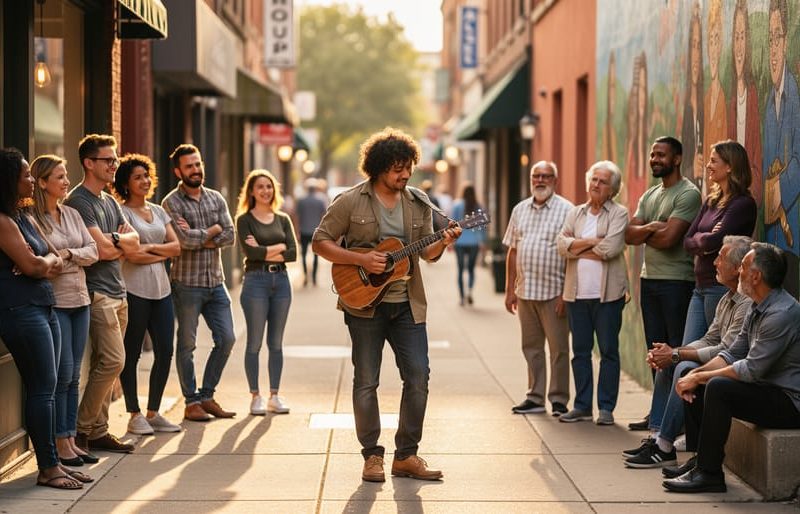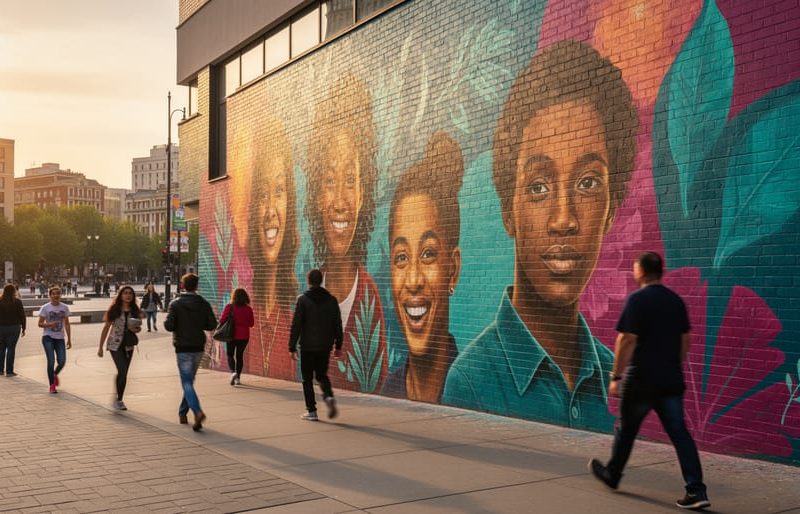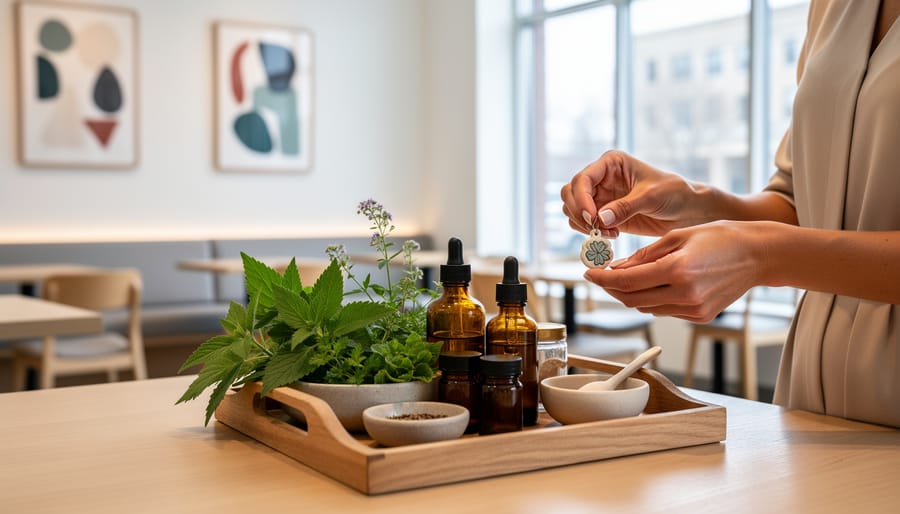
Canada’s beauty, fashion, and lifestyle scenes are experiencing a creative surge right now, with new menus dropping across salons, spas, wellness studios, and experiential cafés that blur the line between service and art. From Toronto’s downtown treatment bars to Vancouver’s hybrid gallery-café spaces, these aren’t just updates to existing offerings. They’re entirely reimagined experiences designed to connect you with local makers, seasonal ingredients, and cultural storytelling in ways that feel personal and alive.
The shift reflects a broader movement toward hyper-local curation and multi-sensory discovery. You’ll find collaboration menus pairing indie skincare formulators with neighborhood artists, seasonal spa treatments inspired by Indigenous botanicals, and fashion pop-ups that double as interactive installations. These spaces invite you to linger, explore, and leave with more than a service receipt. They’re designed as entry points into communities you might otherwise pass by.
For travelers and locals alike, the timing is perfect. Post-pandemic wanderlust has evolved into something more intentional. We’re seeking experiences that teach us something, introduce us to someone new, or leave us feeling more connected to a place. New menus across Canada are answering that call with creativity, inclusivity, and an eye for the unconventional. Whether you’re hunting for a ceramics-and-cocktails evening in Montreal or a zero-waste beauty ritual in Halifax, the latest launches prove that the most memorable journeys often start with a simple question: what’s new here?
What Changed: The Menu Revolution Sweeping Canada’s Creative Spaces
Walk into a contemporary beauty bar or fashion atelier in Vancouver, Toronto, or Montreal today, and you’ll notice something different. Where shelves once held products and service boards listed à la carte treatments, you now find carefully designed menus offering complete journeys: a three-step skincare ritual paired with makeup artistry, a capsule wardrobe consultation bundled with personal styling, or a wellness afternoon combining facials, fragrance discovery, and tea service. This format change reflects a fundamental shift in how creative spaces engage their clients.
The menu revolution stems from evolving customer expectations. Travelers especially seek experiences they can’t replicate online, moments that feel intentional, immersive, and rooted in local culture. Traditional retail can’t deliver that depth. A single lipstick purchase or quick haircut doesn’t create memorable engagement or foster community connection. Menus solve this by packaging expertise, atmosphere, and time together. You’re not buying a service; you’re booking an experience designed around your story.
Venues are adopting this approach for practical reasons, too. Menus simplify decision-making for first-time visitors, encourage longer visits (and higher revenue per guest), and allow creators to showcase their full range of skills rather than competing on price for isolated services. The rise of experiential retail in beauty and fashion has given these spaces a framework to build intimate, repeatable events that feel exclusive yet inclusive. For cosmetic studios and fashion boutiques, menus also provide structure for collaborations with local artists, makers, and wellness practitioners, turning a visit into a cultural exchange rather than a simple transaction.
Key Developments: Three Menu Launches Redefining Local Culture
1. Beauty & Wellness Menus: Curated Rituals Over Single Treatments
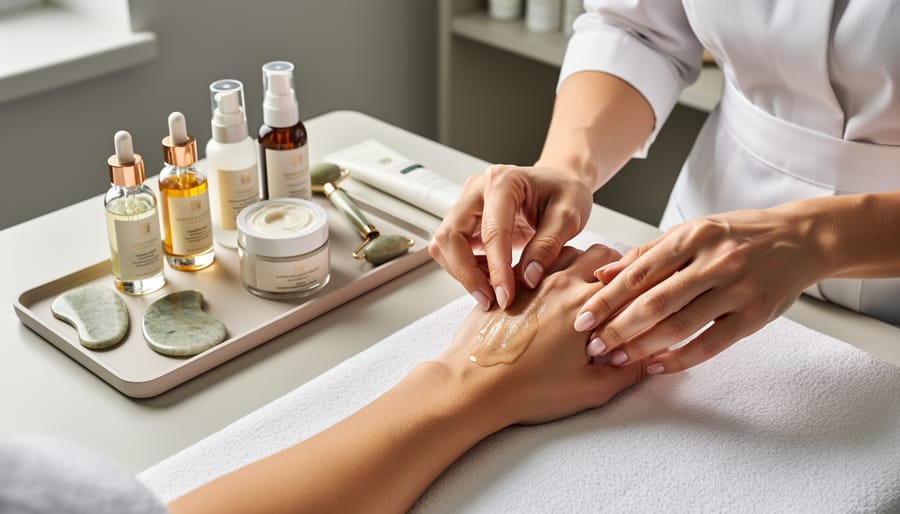
Beauty bars and cosmetic studios across Canada are moving away from the à la carte treatment model in favor of curated experience menus that treat self-care as a ritual rather than a transaction. Instead of booking a single facial or makeup session, you now choose from multi-step journeys, think a “Glow & Go” menu pairing deep cleansing with makeup artistry and a closing scalp massage, or a “Weekend Reset” that weaves together skincare, aromatherapy, and guided breathwork. These menus emphasize the whole experience, creating space for you to slow down and connect with both the process and the practitioners who design it.
Personalization drives this shift. Many studios now begin with a consultation to tailor the menu to your skin concerns, wellness goals, or simply how you want to feel when you leave. Some venues collaborate with local artists to create immersive environments, think hand-painted murals, ceramicist-designed product displays, or curated soundscapes by regional musicians, that transform the treatment room into a cultural destination. You’re not just receiving a service; you’re stepping into a thoughtfully composed world that reflects the community’s creative pulse.
Signature menu elements typically include:
- Ingredient transparency with locally sourced botanicals and traceable formulations
- Partnerships with local creators, artists, herbalists, and small-batch skincare makers
- Seasonal rotations that shift offerings based on climate, holidays, and regional harvests
- Community events like open studios, product launches, and wellness workshops
This approach invites you to return throughout the year, discovering new rituals and supporting the makers behind them. The menu format turns beauty and wellness into ongoing conversations with the places and people shaping Canada’s creative identity.
2. Fashion Ateliers & Styling Menus: From Browse to Bespoke
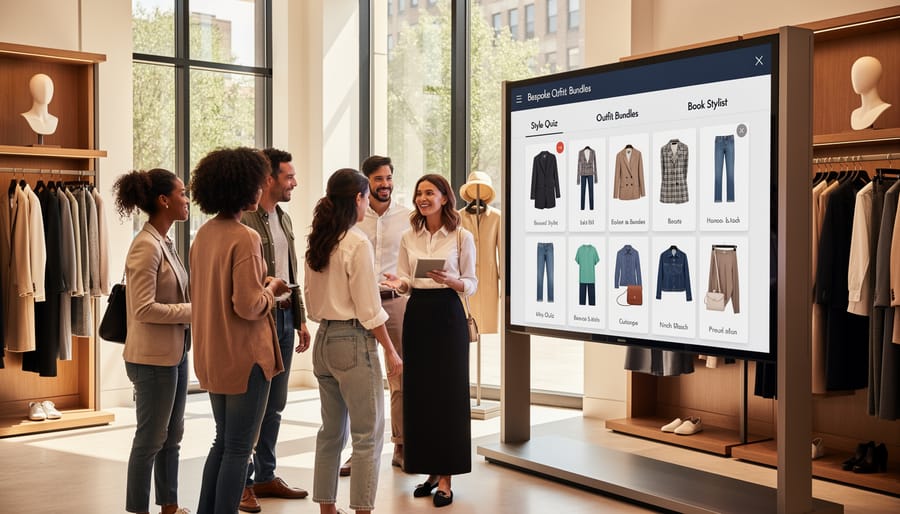
Fashion boutiques across Canada are replacing the traditional browse-and-buy model with styling menus that turn shopping into a collaborative session. Instead of wandering racks alone, you book a time slot and work one-on-one with a stylist who pulls pieces based on a brief conversation about your trip, lifestyle, or aesthetic goals. These menus typically offer three tiers: a capsule wardrobe consultation (12-15 pieces mixed and matched into multiple outfits), a single-occasion styling session (perfect for an event or photoshoot), or a full seasonal refresh. Prices range from $75 for a one-hour session to $300 for comprehensive packages that include follow-up support and alterations coordination.
The real draw is the personalized curation. Stylists ask about your daily routine, color preferences, body confidence, and where you’ll wear the clothes. Then they assemble options you might never choose yourself, explaining why certain cuts or fabrics work with your frame and showing how to remix basics you already own. Many boutiques now include Polaroid lookbooks or styling cards you take home, documenting each outfit so you remember the combinations.
For travelers, this format solves the overwhelm of unfamiliar stores. You get local fashion insight, discover Canadian designers you’d miss otherwise, and leave with pieces that reflect the city’s creative scene rather than generic mall finds.
3. Hybrid Spaces: Art, Apparel & Afternoon Rituals
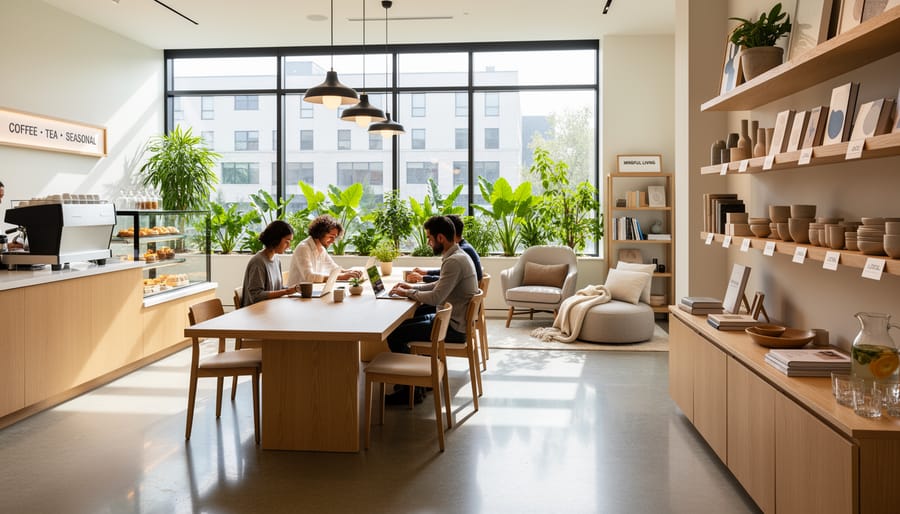
Across Canada, a new breed of venue is erasing the line between shopping, self-care, and lingering over lattes. These hybrid spaces unite fashion racks, beauty stations, and café counters under a single menu, inviting guests to stay for hours rather than minutes. At Montreal’s Atelier Flux, visitors can browse a curated clothing collection, book a makeup consultation, then settle into a window seat with coffee and a pastry, all coordinated through one service menu. The space hosts monthly artist residencies, transforming the back wall into a rotating gallery where local painters and textile designers showcase work that connects directly to the apparel and beauty offerings.
In Vancouver, The Collective Room pairs secondhand fashion with weekend workshop menus: natural dye sessions, zero-waste styling tutorials, and illustrated journaling circles led by community artists. Each event doubles as a social gathering, fostering connections that extend beyond transactions. Toronto’s Meridian House follows a similar model, weaving visual art stories into its afternoon ritual menu, guests can attend a live painting demo while receiving a facial, or join a zine-making session after a wardrobe consultation. These environments prioritize presence and participation, treating every visitor as a collaborator in the space’s evolving culture rather than a customer passing through.
Why It Matters: The Cultural Impact on Travelers and Local Communities
These menu experiences matter because they fundamentally change how we connect with a place. Instead of rushing through a purchase, travelers now have permission to linger, ask questions, and absorb the creative energy of a neighborhood. For women exploring Canada, whether solo or with friends, these curated menus offer structured entry points into scenes that might otherwise feel intimidating or insular. You’re not just buying a lipstick; you’re hearing the story behind a local pigment supplier, learning a technique from a makeup artist who trained in Montreal’s theatre district, or discovering how a skincare ritual ties to Indigenous wellness traditions.
This shift toward storytelling and inclusion directly challenges transactional retail. When a fashion atelier offers a styling menu, it welcomes bodies of all sizes, budgets at various levels, and questions without judgment. The menu format itself signals that exploration is encouraged, that there’s no “wrong” way to participate. For travelers seeking authentic experiences off the beaten path these venues function as cultural gateways, places where locals actually gather, not tourist traps designed to extract and move on.
Local communities benefit just as much. Menu launches spotlight emerging creators, give established artists new platforms, and anchor foot traffic to underserved neighborhoods. A beauty bar’s seasonal menu might feature a ceramicist’s product line or a muralist’s pop-up installation, circulating money and attention within interconnected creative networks. This economic model values sustained relationships over one-off transactions, building the kind of cultural infrastructure that keeps neighborhoods vibrant long after trends fade. The result is richer travel for visitors and stronger, more resilient communities for residents.
What to Watch: Trends Shaping the Next Wave of Menus
As Canada’s menu culture matures, a few clear patterns are emerging that will define the next generation of experiential offerings. Travelers planning visits to Canadian destinations in 2026 and beyond should watch for these shifts:
- Micro-season menus that change every six to eight weeks, aligning with local harvests, art festivals, and community events
- Local artist takeovers, where rotating creators design limited-run experiences that blend their work with beauty or fashion services
- Zero-waste beauty experiences built around refillable products, compostable packaging, and ingredient transparency
- Membership-style access offering regulars early booking, exclusive workshops, and discounts on layered services
Digital platforms are becoming the connective tissue for these experiences. Venues are moving beyond static websites to Instagram-native booking, real-time menu updates through stories, and collaborative campaigns with micro-influencers who share authentic visits rather than polished ads. Expect QR codes in-store that unlock behind-the-scenes content, playlists curated by resident artists, and direct links to purchase the products used during your session.
Wellness-first beauty is cementing its place: menus increasingly lead with how an experience makes you feel rather than what it fixes. Look for language around nervous system regulation, sensory grounding, and emotional reset alongside technical beauty outcomes.
Sustainability commitments are shifting from vague promises to menu-integrated proof points, locally sourced botanicals listed by farm, carbon-offset consultations, and partnerships with Indigenous makers. The venues succeeding in 2026 treat transparency as part of the experience itself, not a footnote.
Common Questions About New Menu Experiences
What exactly is a menu launch in this context?
A menu launch refers to a venue unveiling a curated set of experiences, like beauty rituals, styling sessions, or creative workshops, organized into a bookable “menu” rather than standalone services. It transforms one-off treatments into intentional, multi-step journeys designed around connection and storytelling.
How do I book these experiences while traveling?
Most venues share their menus on Instagram or through their websites, often with direct booking links or contact details. Check location tags in posts from beauty bars, fashion ateliers, and hybrid spaces, or search hashtags like #BeautyMenuTO or #YVRStyling to discover what’s available in the city you’re visiting.
Are these experiences beginner-friendly?
Absolutely. Most menu experiences are designed to welcome first-timers and guide you through each step, whether it’s a makeup session, wardrobe consultation, or wellness ritual. Staff typically walk you through choices and personalize the experience to your comfort level and curiosity.
What should I expect to pay?
Pricing varies widely depending on the venue and city. A curated beauty menu might start around $75 for a shorter session, while more involved experiences, like a multi-hour styling menu or hybrid art-and-beauty afternoon, can range from $150 to $300. Many spaces offer introductory rates or seasonal packages.
These answers reflect the practical realities of exploring Canada’s new menu culture. If a venue’s menu isn’t clearly listed online, don’t hesitate to send a direct message asking about their current offerings and availability. The beauty of these experiences is their flexibility, many hosts are happy to tailor sessions around your travel schedule or group size. Keep an eye out for pop-up collaborations too, where limited-time menus bring together local artists, makers, and wellness practitioners in unexpected combinations. Those are often the most memorable finds, and they tend to sell out quickly once announced.
Canada’s new menu culture isn’t just about what you order, it’s about who you become when you step into these spaces. Every curated ritual at a beauty bar, every styling session at a fashion atelier, every afternoon spent in a hybrid café-gallery is an invitation to slow down, connect, and discover something unexpected about yourself and the community around you.
These experiences thrive when we share them. Tag the creators behind your favorite menus, post about the local artists whose work lines the walls, and tell your friends about that styling session that changed how you see your wardrobe. Your voice amplifies the work of small studios and independent makers who are reshaping what hospitality and creativity look like.
So next time you’re planning a trip across Canada, or even exploring your own city, seek out these menu-driven spaces. Book that personalized skincare ritual. Try the capsule wardrobe consultation. Linger over coffee where fashion meets art. You’ll leave with more than a service; you’ll carry stories, connections, and a deeper sense of place.