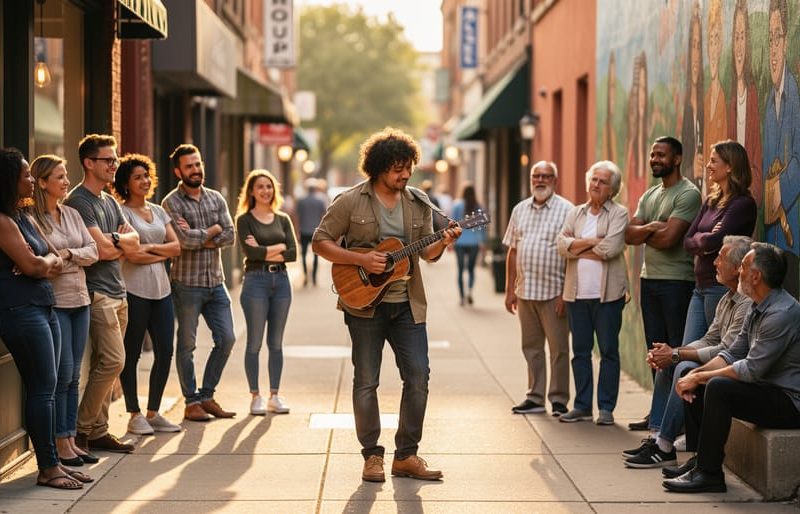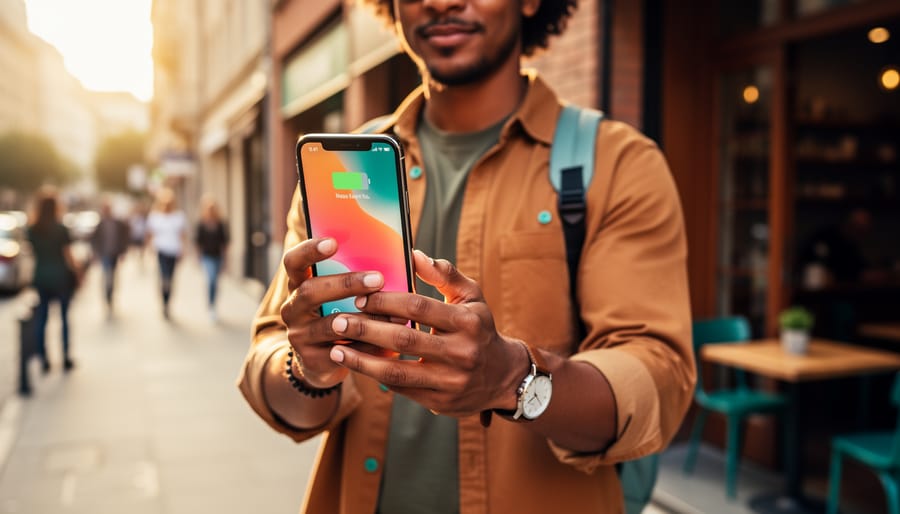
Social-first content is content created specifically for social media platforms, designed to thrive within each platform’s native format, algorithm, and culture rather than being repurposed from other channels. It’s built for scrolling, sharing, and sparking conversation where your audience already spends their time.
This approach flips traditional content strategy on its head. Instead of creating a blog post or video and then adapting it for Instagram or TikTok, you start with the platform itself. You think in Stories, Reels, carousels, and comments. You design for vertical screens, quick attention spans, and the specific ways people discover and engage with content while they’re waiting for coffee or unwinding after a day of exploring.
For travelers and creators sharing culture, art, and local experiences, social-first content matters more in 2026 than ever. The algorithm rewards content that keeps people on the platform, and audiences can spot recycled material instantly. A static landscape photo with a generic caption won’t cut it when someone else is sharing a 15-second Reel of sunrise over the same vista with trending audio and a hook that makes viewers stop mid-scroll.
This guide breaks down what makes content truly social-first, how platform algorithms shape what works, the specific formats that perform best, and how to apply this strategy to your own creative work. Whether you’re documenting art markets in Marrakech or wellness retreats in Bali, understanding these principles will help your stories reach the people who need to see them.
What Social-First Content Actually Means
Social-first content is media you create with a specific social platform in mind from the very beginning, not something you make for your website and then chop up to fit Instagram or TikTok. It’s designed to feel at home in a feed, to use the tools and formats people expect when they’re scrolling through Stories or watching Reels, and to spark the kind of quick engagement that makes social platforms tick.
This represents a fundamental shift in how we think about content. Traditional strategies start with a blog post, video essay, or magazine-style article, then distribute pieces of it across social channels as an afterthought. Social-first flips that script entirely. You begin by asking what works on the platform itself, what captures attention in three seconds, what makes someone stop scrolling, what invites a share or a save. The platform’s native behaviors and features become your creative starting point, not a distribution channel you adapt to later.
Understanding the core concepts helps clarify what makes content truly social-first:
- Platform-native
- Content created using the specific features, formats, and visual language of a particular social platform, like vertical video for Stories or carousel posts for step-by-step beauty tutorials.
- Ephemeral content
- Media designed to exist temporarily, such as 24-hour Stories, creating urgency and a sense of real-time connection with your audience.
- Shareability
- The quality that makes content easy and desirable to pass along, whether through direct messages, reposts, or saves, extending your reach organically through community rather than paid promotion.
- Algorithmic optimization
- Creating with an understanding of how platform algorithms reward authentic engagement, watch time, and interaction, rather than just keywords or backlinks.
When you embrace social-first thinking, you’re not abandoning your website or long-form content. You’re recognizing that different spaces demand different approaches, and your audience experiences your brand differently when they’re in discovery mode on Instagram versus seeking deep information on your site. Social-first content meets people in that scrolling, exploring, quick-hit moment with something made just for them.
How Social-First Content Works
Platform-Native Features and Formats
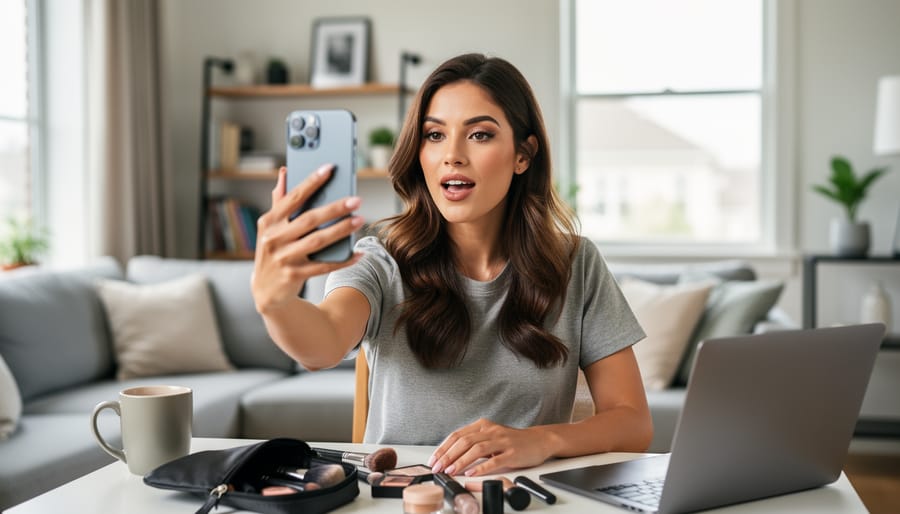
Each social platform has its own language, and social-first content speaks it fluently from the moment you conceptualize an idea. Instagram Stories and Reels demand vertical video shot in 9:16 ratio, you’re not cropping landscape footage, you’re framing scenes vertically from the start, filling the screen with close-up makeup application or the full-length outfit reveal. TikTok rewards quick cuts, trending audio, and text overlays baked into the editing process, not added as an afterthought.
Carousel posts on Instagram work best when you design a visual narrative across multiple frames, think step-by-step beauty tutorials where each swipe reveals the next layer, or outfit styling where each slide shows a different accessory combination. You’re creating anticipation with every swipe, not just dumping multiple images.
Pinterest thrives on vertical pins optimized for discovery, with bold text and clear value propositions visible in the thumbnail. Live video on Instagram or TikTok brings immediacy, Q&A sessions from a local art market, real-time reactions to a new product launch, or walking tours through hidden neighborhood gems. The rawness matters more than production polish.
When you start with the format, you build content that feels like it belongs, not like a visitor passing through.
Audience Behavior and Expectation
Users approach social platforms with a fundamentally different mindset than when they visit websites or read blog posts. On social, they’re scrolling through feeds during commute breaks, waiting in line, or winding down, looking for quick hits of inspiration, entertainment, or connection rather than deep research. This casual browsing behavior means attention is fleeting. If content doesn’t hook them in the first second, they’ve already moved on.
What audiences expect has shifted too. They want authenticity over polish, real faces, honest takes, behind-the-scenes glimpses, rather than overly produced corporate messaging. They crave immediacy: what’s happening now, what’s trending today, how something looks in the wild rather than on a studio set. When a beauty brand shares a tutorial shot in natural bathroom lighting or a travel creator posts unfiltered street market footage, it feels genuine because it mirrors how users themselves create content.
Creators responding to these expectations design for the scroll: strong opening frames, captions that work without sound, pacing that delivers value in seconds. They prioritize relatability and conversation over perfection, knowing their audience wants to feel like they’re talking with someone, not being marketed to.
Forms Social-First Content Takes
Visual-Led Storytelling

Visual-led storytelling thrives on immediacy and emotion, a before-and-after makeup transformation in fifteen seconds, a styling reel that shows three ways to wear the same blazer, a carousel post capturing the energy of a street-art installation. Beauty and fashion brands excel at this because their products are inherently visual, and social platforms reward content that stops the scroll. A skincare brand films the ritual of applying a serum in soft morning light; a fashion creator pairs a vintage jacket with thrifted jeans against a graffitied wall. These quick-hit moments work because they’re designed to be consumed in seconds, not minutes, and they inspire action, a save, a share, a click to learn more.
The best visual-led content doesn’t just showcase a product; it creates a feeling or sparks curiosity. When visual art tells the story of a place or a moment, it invites the audience into that experience. A close-up of hands applying lipstick becomes aspirational. A slow pan across a gallery wall makes viewers want to be there. The format is simple, the execution is quick, and the impact is immediate, exactly what social-first content demands.
Community-Driven and Interactive Formats
Social platforms thrive on two-way exchange, not monologue. Community-driven formats turn your audience into co-creators, building relationships through participation rather than passive viewing. Question stickers on Instagram Stories invite followers to share their skincare routines, favorite travel spots, or fashion dilemmas, and when you respond publicly, you spark conversation that others want to join. Polls transform content decisions into collaborative moments: “Which lip color should I wear in Tokyo?” or “Help me choose tomorrow’s outfit” gives your community ownership while revealing what resonates.
Comment-driven narratives take this further. Post a beauty challenge prompt and feature the best responses in your next Story. Ask followers to tag you in their interpretations of a makeup look or travel experience, then curate a highlight reel celebrating their creativity. TikTok duets and stitches turn individual posts into ongoing dialogues, where your content becomes a launchpad for others to add their perspective.
These formats work because they answer a fundamental truth about social platforms: people come for connection, not consumption. When you invite participation, you shift from broadcaster to community host, creating space for the conversations your audience already wants to have.
Where and How Social-First Content Gets Used
Social-first content thrives in real-world scenarios where immediacy and connection matter most. Brands and creators use it to build awareness by showing up consistently in feeds and Stories, creating recognizable visual signatures that audiences come to expect and seek out. A beauty brand might post daily Reels demonstrating product application techniques, while a fashion label shares behind-the-scenes glimpses of photo shoots, turning followers into invested community members who feel they’re part of the creative journey.
Discovery happens through shares and saves. When someone screenshots your styling tip or saves your travel recommendation for later, that content enters their private collection and often gets passed along to friends. This organic spread amplifies reach far beyond paid promotion. A single post about off the beaten path destinations or new menus to try can ripple through networks as people share discoveries with their circles.
Niche audiences respond especially well to social-first approaches because the content speaks directly to specific interests and identities. A ceramics artist documenting their studio process on Instagram Stories creates intimate connection with collectors who value handmade work. Wellness practitioners use platform-native video to demonstrate techniques and answer questions in real time, building trust through accessibility rather than polish.
Product launches gain momentum through social-first execution. Instead of waiting for a press release or website announcement, brands drop teasers in Stories, create countdown stickers, and host live unboxing events where audiences participate as launches unfold. The real-time nature turns passive viewers into active participants who feel they’re witnessing something exclusive.
Local culture and art scenes particularly benefit from this strategy. Travelers use social platforms to find authentic experiences, a mural walking tour discovered through TikTok, a neighborhood café recommended via Instagram, a pop-up market shared in someone’s Story. Creators who spotlight these moments become cultural connectors, helping audiences move beyond tourist traps toward genuine local expression. The content serves both as inspiration and practical guide, meeting people in their planning phase and traveling alongside them through shares and tags.
Why It Matters for Creators and Audiences
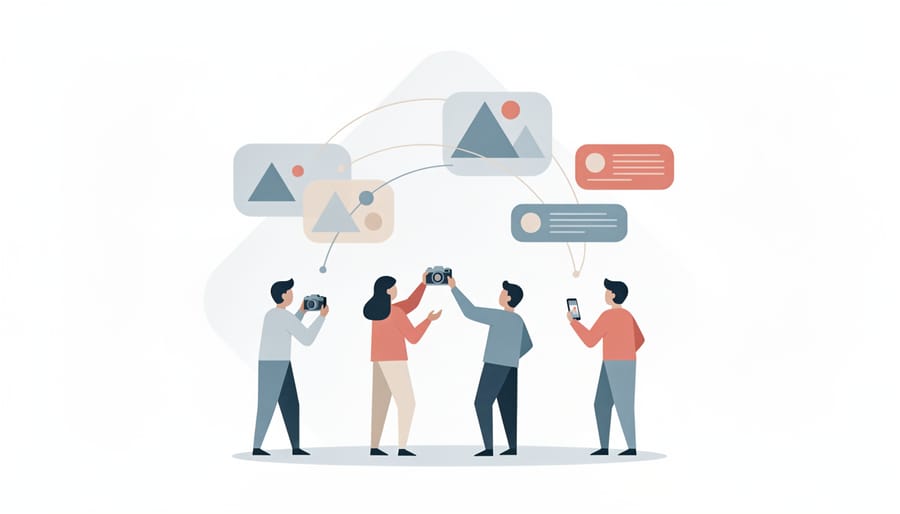
Social-first content shifts the power dynamic. Instead of asking your audience to come find you, you show up in the spaces where they already gather, scroll, and connect. That presence matters because attention is fragmented, people discover ideas, experiences, and destinations through quick scrolls, saved posts, and shared Stories, not through searching for your website. Creating content designed for these moments means you’re part of the conversation rather than waiting on the sidelines.
For creators, this approach builds genuine community. When you design for interaction, asking questions, inviting responses, sharing behind-the-scenes glimpses, you foster relationships rooted in authenticity rather than one-way broadcasting. Your audience becomes collaborators, shaping what you create next through their engagement and feedback. That two-way exchange deepens trust and loyalty in ways traditional content never could.
For audiences, social-first content delivers value where they live digitally. It’s inspiration when they need it, connection when they seek it, and discovery woven into their everyday scrolling. A traveler finds a hidden art gallery through a Reel, a wellness seeker discovers a local ritual via Stories, these moments happen because the content met them where they were, speaking their platform’s language.
This mindset aligns perfectly with how culture connects now: not through formal channels or planned visits alone, but through spontaneous shares, real-time experiences, and digital conversations that celebrate local expression and invite everyone in.
Common Questions About Social-First Content
Does going social-first mean I have to abandon my website or blog?
Not at all. Social-first is about where content originates and how you design it, not replacing your website entirely. Many creators use their site as a home base for deeper storytelling, archives, and monetization while treating social platforms as the primary discovery and engagement spaces.
How do you measure success with social-first content?
Look beyond follower counts to engagement metrics that matter: saves, shares, comment conversations, profile visits, and click-throughs. Success shows up when your content gets passed around, sparks real dialogue, or inspires someone to take action, whether that’s visiting a cafe you featured or trying a beauty technique you demonstrated.
Can small creators or local businesses realistically use this approach?
Absolutely. Social-first actually levels the playing field since platform algorithms reward engagement and authenticity over budget or follower count. A small art gallery sharing behind-the-scenes Reels or a local wellness studio hosting live Q&As can build devoted communities without massive production resources.
What’s the difference between social-first content and influencer marketing?
Social-first is a content creation philosophy, designing specifically for platform behaviors and formats. Influencer marketing is a promotional tactic where brands partner with established voices. You can create social-first content without being an influencer, and influencers don’t always create true platform-native work.
How do I maintain brand identity when each platform demands different content?
Your core voice, values, and visual sensibility stay consistent while the format adapts. Think of it like speaking the same language with different dialects, your perspective on local culture or approach to beauty remains recognizable whether you’re posting carousel guides on Instagram or quick tips on TikTok.
These questions come up constantly among creators exploring social-first strategies, especially when you’re used to traditional content models. The transition feels less daunting once you realize it’s about adding dimension to how you connect, not erasing everything you’ve built. Your website becomes a resource library and portfolio while social channels handle the daily conversations and discovery moments that bring new faces into your world.
The beauty of this approach for independent creators and culture-focused brands is its flexibility. You’re not locked into one massive platform pivot or expensive production setup. Start with one or two channels where your audience already gathers, experiment with native formats there, and build confidence before expanding. A travel creator might begin with Instagram Stories documenting local markets, then branch into Pinterest idea pins or TikTok neighborhood tours as they find their rhythm.
Creating content where your audience already gathers isn’t just strategy, it’s invitation. When you design for the platforms people love, speaking their visual language and meeting their scrolling rhythm, you build bridges instead of billboards.
Social-first content thrives because it respects how we actually consume media today: quickly, emotionally, in stolen moments between life’s bigger scenes. It asks you to think like your audience, to understand what stops their thumb mid-scroll, what makes them save a post for later or share it with a friend who just has to see this.
For travelers and culture seekers, this approach opens doors. A Reel capturing golden hour at a hidden gallery. A carousel walking through a neighborhood’s street art evolution. Stories from a local wellness retreat that feel like whispered recommendations. These moments connect because they’re crafted for connection, not repurposed from somewhere else.
Start small. Pick one platform. Learn its grammar. Watch what resonates. Then create something that could only live there, something that invites your community to lean closer and stay awhile. The art is in meeting people where they are and giving them something worth remembering.