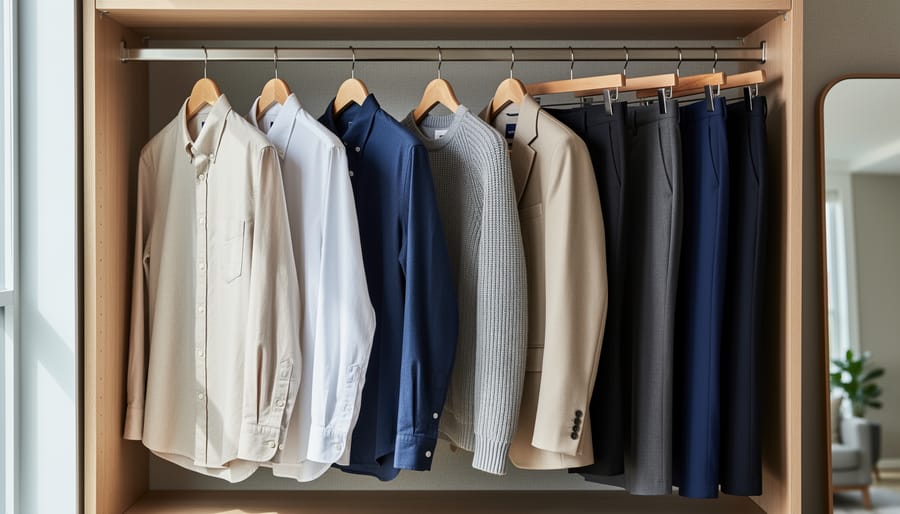
Dressing well comes down to five things: a few well-fitting basics, a tight color palette, shoes that match your life, a couple of pieces that show personality, and a quick mirror check before you walk out the door. Set aside an afternoon and a modest budget, and you can build a wardrobe that works for dinner, the office, and a plane ride without owning a closet full of clothes.
Why does this approach hold up? Because style isn’t about trends or labels. It’s about fit and repetition. A navy overshirt that sits right on your shoulders will always look sharper than a pricey jacket that hangs off you, and a palette of three or four colors means everything you own works together. That’s also what makes it so good for travel. Pack six versatile pieces and you’ve got a dozen outfits.
This guide walks you through what to gather, what to avoid, the order to build in, and how to check your work. Along the way, we’ll lean on something we love at Leone Point: dressing for where you are. A weekend at a local art market or a studio visit calls for clothes that feel relaxed, make conversation easy, and let you move. If you want trip outfit inspiration start there, then come back and make it yours.
What You’ll Need Before You Start: Tools, Materials, and a Quick Closet Audit
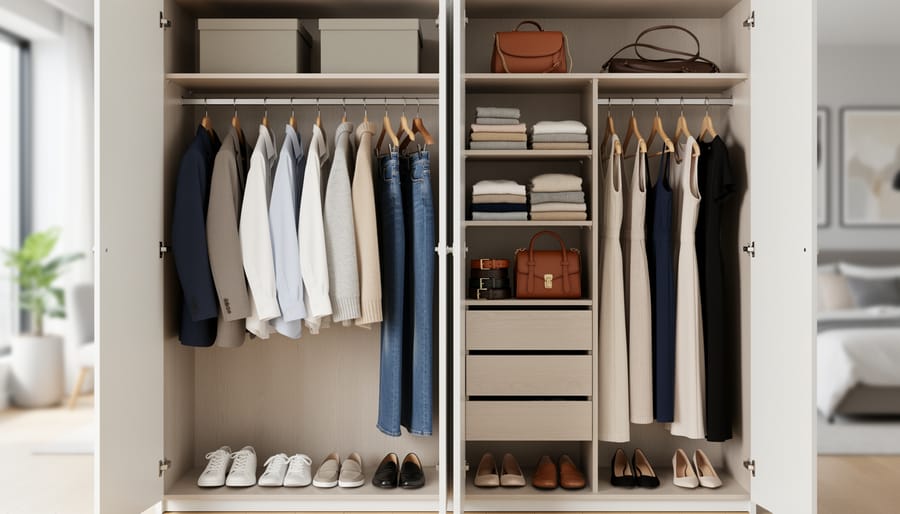
Before you buy a single thing, gather a few simple tools. Nothing here is fancy, and most of it is already hiding somewhere in your home.
- A soft measuring tape for checking shoulders, sleeves, and inseams
- A full-length mirror, ideally near good natural light
- A notebook or your phone for jotting notes and snapping outfit photos
- A handful of matching hangers so your clothes hang the way they’re meant to
- A steamer or iron to take the wrinkles out before you judge anything
- A friend with an honest eye (kind, but not a yes-person)
- A budget range you can actually stick to
Now carve out an honest hour. Pull everything out of your closet and drawers, then sort each piece into one of three piles. Keep is for clothes that fit well, feel good, and make you reach for them. Tailor is for pieces you love but that need a nip, a hem, or a shorter sleeve. Let go is for anything that’s worn out, doesn’t fit your life anymore, or gets worn once a year out of guilt.
Try things on rather than judging them on the hanger. Snap a quick photo of anything you’re unsure about, since a picture often tells the truth faster than a mirror does. Gently press the creases out of your keepers so you’re seeing them at their best.
Finally, set a realistic budget and think in outfits, not single items. A $90 shirt that only works with one pair of pants is a worse deal than a $40 one that pairs with five. Before you commit to any purchase, ask yourself, “What three things in my closet does this go with?” That small question will save you money and keep your wardrobe flexible, whether you’re heading to a gallery opening or a weekend trip.
Before You Shop: Safety Warnings and Common Missteps to Avoid
Shopping goes better when you know the common traps before you walk into the store. None of these are failures, just handy stop signs.
Buy for the body you have now. It’s tempting to grab the size you used to wear or the one you’re aiming for. Clothes that don’t fit today stay on the hanger. Sizing also shifts wildly between brands, so ignore the number on the tag and trust the mirror, or try on every time.
Be wary of lone trend pieces. That neon windbreaker might look great on a mannequin, but if it clashes with everything in your closet, it’s a one-outfit wonder.
Mobility matters most if you travel. Raise your arms, squat, and walk around the fitting room. If you can’t comfortably climb stairs or sit on a long flight in it, it’s not travel-ready.
Read the care label before the price tag. Dry-clean-only linen or a delicate knit that can’t survive a sink wash will quietly become a burden on the road. Fast fashion adds another trap: pieces that look sharp on day one but pill or lose their shape after a few washes.
A few safe-shopping habits make everything easier:
– Check the return policy before you pay, and keep tags on until you’ve tried the item at home.
– Skip impulse sale buys. A deal on something you wouldn’t buy at full price is still money spent.
– If you have sensitive skin, patch-test new dyes or fabrics by wearing the piece for a short stretch before committing to a long day in it.
Pausing is a skill, and it will save you money.
The Step-by-Step Process to Build Your Style
Step 1: Start With How You Actually Live
Grab a notebook and sketch out a normal week. Where do you actually spend your time? Maybe it’s three days at a desk, a Saturday farmers market, a Thursday gallery opening, and a trip every other month. Be honest, not aspirational.
Now sort those hours into buckets. If half your week is casual and creative, your closet should lean that way, not toward a suit you wear twice a year. Count how often you need each look: work, weekend, travel, evenings out. The biggest bucket gets the most attention and budget.
Next, collect inspiration. Snap photos of people whose style catches your eye: a street musician with a perfectly worn jacket, a ceramicist at a local market, a friend who always looks put together. Save what you notice, like a color pairing, a sleeve roll, or a pair of boots. After a couple of weeks, patterns will emerge, and that’s your starting direction.
Step 2: Get the Fit Right (Your Most Powerful Style Tool)
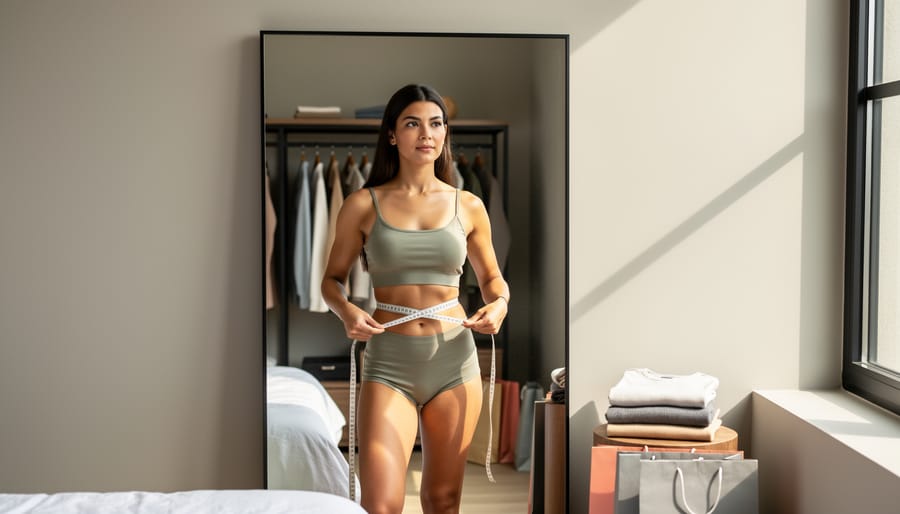
Fit does more for how you look than any label, and it’s the part of style you can fix fastest. A modest shirt that fits well will beat an expensive one that doesn’t, every time.
Start at the shoulders. On a shirt or jacket, the seam should land right at the edge of your shoulder bone. If it droops down your arm, the piece is too big. If it pulls toward your neck, it’s too small.
Next, check the sleeves. A jacket sleeve should stop at your wrist bone, with a bit of shirt cuff peeking out. Shirt sleeves should end where your hand begins, not swallow it.
Then look down at your trousers. The “break” is the little fold where fabric meets your shoe. A slight break or none at all looks clean and modern. A big stack of fabric around the ankle makes legs look shorter.
Here’s a quick mirror check. Stand relaxed, arms at your sides. Can you move comfortably? Do you see pulling across the chest or back, or fabric billowing at the waist? Fix what bugs you.
A good tailor is your secret weapon. Hemming trousers or taking in a waist is often inexpensive, and it can make a thrift-store find look custom. Don’t be shy about asking.
Step 3: Build Your Core Pieces
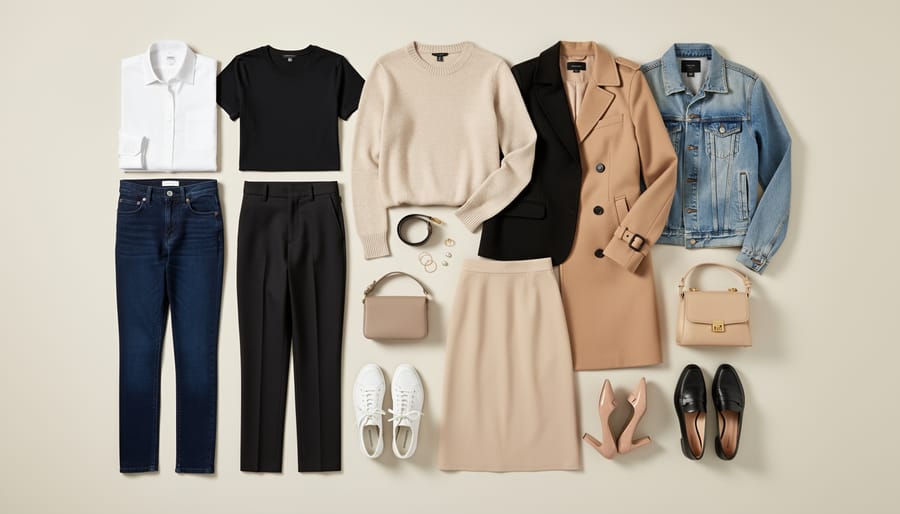
Think of your core pieces as a flexible capsule, not a rulebook. You’re after a handful of clothes that mix and match so you can pack light and still look put together, whether you’re wandering a street-art district or heading to dinner afterward. Swap items freely based on your climate and taste.
- Well-fitting tees: wear them solo for casual days, or layer under an overshirt for a creative, gallery-ready feel.
- Button-ups: roll the sleeves for relaxed outings, or tuck one in for a dressier evening.
- A knit layer: a lightweight sweater or cardigan carries you from cool mornings to breezy terraces.
- Dark and light trousers or jeans: dark pairs read polished, lighter ones keep things easygoing.
- A light jacket: it sharpens a casual outfit and adds warmth without bulk.
- Comfortable shoes: clean sneakers or leather walkers handle cobblestones and dinner reservations alike.
Climate changes the fabric more than the formula. In warm places, reach for linen, breathable cotton, and a thin knit. Where it’s cooler, go for merino or heavier cotton and a sturdier jacket. Either way, keep the shapes simple and the fit right, and you’ll have a base that welcomes whatever one-of-a-kind pieces you find along the way.
Step 4: Choose a Color Palette That Plays Well Together
Think of your palette as a small, trusted cast of characters. Pick two or three neutrals as your foundation, such as navy, charcoal, olive, cream, or tan, and add one or two accent colors for personality. Because the neutrals mix freely, you can pack five pieces and get a dozen outfits.
Skin tone helps you choose. Warmer undertones tend to glow in olive, rust, and camel, while cooler ones often shine in navy, grey, and crisp white. Hold a shirt up to your face in daylight and notice whether you look energized or washed out.
Let the seasons nudge things along. Swap heavier earth tones for lighter stone and linen in summer, then deepen everything in autumn.
For accents, look to places you love. The terracotta in a favorite mural, the saffron heaped at a market stall, or the blue-green of a coastline can become the pop of color in a scarf, a knit, or a pair of socks.
Step 5: Layer Texture, Pattern, and Accessories
Texture is what keeps a simple outfit from looking flat. Pair a crisp linen shirt with dark denim, or a soft cotton tee under a wool overshirt, and suddenly a neutral palette has depth. Try mixing two or three fabrics per outfit, then stop.
For pattern, use one simple rule: change the scale. If your shirt has a thin stripe, wear a chunkier knit or a bolder check on top. Solids anchor everything, so let one piece lead and keep the others quiet.
Accessories do the quiet work of finishing a look. A watch with a leather or woven strap, a scarf that doubles as a travel layer, a sturdy crossbody bag, a thin chain or a single ring. Choose one or two, not all of them.
Grooming belongs here too. A tidy beard line, a fresh haircut, clean nails and a light scent make even a simple outfit feel considered.
Step 6: Add One Piece With a Story
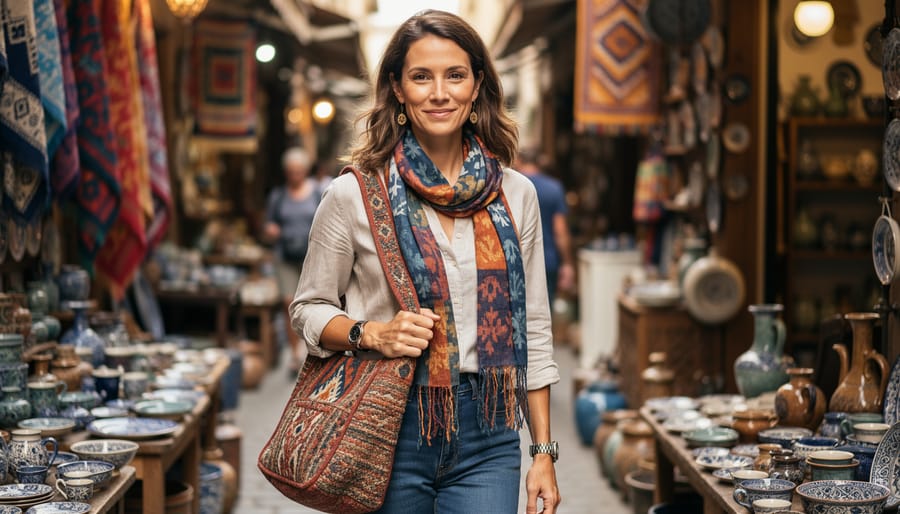
Every great wardrobe has one piece that sparks a conversation. This is where style tells a story beyond the label inside the collar.
Seek out something made by hand: a woven scarf from a market stall, a linen shirt dyed in small batches, a leather belt stitched in a tiny studio. Wander a vintage market with no list. Ask the maker how it was made. That chat is half the souvenir.
Studio tours, weaving demos, and meetups are easy ways to find these pieces, and they connect you to local makers & community wherever you land.
Let the piece anchor an outfit built from your quiet basics. Months later, a quick touch of that texture will take you straight back to the place you found it.
Check Your Work: How to Verify Your Wardrobe and What to Do Next
Once you’ve built your wardrobe, test it. Set aside an hour and try on five full outfits, head to toe, shoes included. Stand in front of the mirror, then sit, reach, and walk around the room. If something pinches, rides up, or needs constant adjusting, flag it for the tailor or the let-go pile.
Next, run the three-outfits-per-piece test. Every item should work in at least three different combinations. A shirt that only pairs with one pair of trousers isn’t earning its hanger, and that’s useful to know before you shop again.
Finish with a gut check: do you feel comfortable and a little more like yourself? Confidence is the real measure here, not whether a look would impress a stranger.
From there, keep it simple. Give your closet a seasonal refresh, swapping pieces in and out and noting what you never reach for. Fill gaps slowly, one thoughtful purchase at a time, rather than in a single shopping spree. Follow the care labels, steam or press before big days, and store knits folded rather than hung. And keep your eyes open: gallery openings, weekend markets, and local makers are all quiet teachers of style.
Men’s Style Questions, Answered
How many pieces do I need to start?
Around fifteen to twenty versatile items is plenty for a solid base. Choose pieces that mix and match, then add slowly as you notice gaps.
How do I dress well on a small budget?
Spend on fit before price, since a quick tailoring job can make an inexpensive shirt look sharp. Thrift stores and vintage markets are also great for unique finds.
How do I pack stylishly for a trip?
Stick to one tight color palette and choose layers that work in several settings. For more ideas on how to pack stylishly for travel start with your destination’s climate and plans.
How do I find my own style if I feel stuck?
Photograph outfits that made you feel great and look for the common thread. Local artists and makers you admire can spark ideas, too.
Style isn’t a destination you reach once and file away. It’s a personal journey that grows a little with every city you wander through and every maker whose studio door you push open. The jacket you found at a dusty market stall, the scarf dyed by someone who told you how they made it, the shoes that carried you through a dozen new streets: these pieces become your story.
So wear what makes you feel at home in your own skin. Trust your fit, play with your palette, and let curiosity guide your next find. And when you land on something you love, share your outfits and discoveries with the community. We’d love to see where your style takes you.